


What Place Does Masculinity Have In The Modern World?
I sit to write this article on masculinity after washing dishes, baking a cake, and making lunch for my female partner before she goes to work. Later I will see clients for therapy and support them as they share their emotional wounds – I often cry when processing their work or celebrating their progress. I am lucky to feel comfortable with my masculinity straddling ‘non-traditional’ masculine characteristics. But, coming from a background of manual labour I look over my shoulder at my masculine forefathers, and a few of them could look at me and wonder what happened to ‘real men’. When I look from past to present at the stifled growth of masculinity, I am not surprised it is under scrutiny. But how does masculinity fit into our modern world?
To briefly explore a big question, let’s define it. Masculinity is a cultural and social profile of behaviours, attributes and beliefs that we associate with being male. It is not a person’s biological sex, but a social construct. It is one part of a whole and in constantly in relationship with femininity. Everybody will have a relationship with masculinity and femininity. I was born a man, and I didn’t openly question my relationship with gender until my mid-twenties. However, quietly inside there were small signs that left me feeling uncomfortable. I felt the need to cross the street at night to not intimidate others and guilty about immature male leaders wielding power with harm. I took pride in my strength in shouldering hard labour but struggled to be emotional. Masculinity is an aspect of our identity - the same as our age, culture, or careers identify us. Our internal relationship with our gender impacts us on a conscious and unconscious level. It impacts us whether we choose to define it for ourselves or not. So, it matters that we individually and collectively engage with it.
In the here-and-now masculinity is conflicted and struggling to adapt to modern demands. This has sparked a rise in ‘types’ of masculinity – toxic, traditional, high-value men, alpha vs beta males, etc. Each ‘type’ is definable by time period and cultural location. Perhaps these labels are a useful stepping stone to question men’s identities and their place? However, a big trade off is it drives wedges between us and contributes to polarisation. For example, men may consider themselves ‘traditionalists’ by placing disproportionate value on domineering strength, uncompromising work drive, or emotional ‘control’ (suppression of emotions, some valuing extreme expressions of anger). Compare this to another example of men termed ‘modern men’ more ‘in touch with their feminine side’ - commonly emotional, creative, and caring behaviours. However, many ‘modern men’ can harbour profound guilt over being male, leading to self-deprecating language and behaviours. Neither label can hold the whole of masculinity. Either way men are divided or left out of the conversation, and in conflict internally and externally.
The last few years I have had the privilege of working with men therapeutically and meeting men of many backgrounds in men’s groups and intensive weekends. I could see men feeling conflicted and under pressure to figure themselves out. I have not met a man without a personal struggle of working too much, or of emotional regulation, addictive behaviours, understanding their internal world, or damaging others with their behaviour. I’ve also met men who struggle to feel ‘man enough’ or understand how their sexuality or transition into the male gender fits into some ‘traditional’ male values.
When I look to the future of masculinity and it’s role in modern society, I see a looming shadow, but I see the shadow because of the growing light of hope and progress. What shadow does masculinity cast in modern society and where could it go? Depending on our actions masculinity could continue to divide into more extreme versions. Maybe more ‘hyper’ masculinity, hardened by increasing demands ‘traditional’ masculinity isn’t equipped to deal with and compounded by our rebellious human nature. This would add to further conflict and a lack of introspection. Equally, it could lose its roots and traditions to guilt or shame of what men have done and still do, perhaps with too much focus on not defining it enough. Worse, it could go unexamined, and simply devolve into an unquestioned possibility, allowing the unconscious to drive it.
I am hopeful about the place of masculinity in the modern day, and our collective understanding and expression of gender has moved enormously in just 60 years. I would distil the future of masculinity into a statement I heard that aligns the commonalities I heard from men during my research. “Masculinity needs maturing”. It risks sounding like another label, but mature masculinity is more of an internal compass, a set of values, it is a movement for men to live a well-rounded life. When I asked what the values and ideals of mature masculinity could be, the men’s groups, authors, experts and everyman spoke about finding balance. A balance between bastions of masculinity – strength, brotherhood, providing, etc – and the necessary counterweight of emotional literacy, compassion, care, and equality. Organisations, charities and men are out there doing this work now in various ways, and I asked them what the benefits of this are. Aside from even better dad jokes, (and let’s not devalue the power of humour!) the benefits are considerable! I saw them first hand when I met men working on their masculinity where I was struck by how powerfully balanced and ‘alive’ with presence they were. They didn’t shy away from internal or external challenge or difficulty; they also didn’t deny the horrors of what men have and still do. They embraced the inherent strengths in historic masculine values and could tenderly hold one another with profound compassion and emotional understanding. Their emotional literacy gave them deep insights into how to be OK within themselves and to feel like they belong. It enabled them to understand how to run their lives better, discovering breakthroughs with their families, personal lives, and careers. The work I was lucky enough to witness showed me that men can be brothers in arms no matter their divides, deeds, background, or history. There is no tonic for hope like current conflict healed in real time - an Israeli man, and a Palestinian man sharing their stories together, finding common ground, and supporting each other in their grief. I saw men share their struggles with one another, and grow their ability to connect to themselves, to others, and the world around them.
Mature masculinity fits into the modern world well, because it is a nuanced balance of integrity. Providing and receiving. Compassion and boundaries. Competition and playfulness. We already know collectively how to recognise some of the signs of mature masculinity. For example, a good sportsman. We respect the sportsman who loses their dream in front of us, graciously accepts defeat, hugs the victor, and balances self-respect with respect for the other. We ‘know’ internally what this feels like, but I believe we have work to do for ourselves, and to bring this to each man. The place of masculinity in our modern world is in question, and our collective responsibility calls us to action. Is there someone in your life, or you perhaps, that has questions about their relationship with masculinity? Perhaps a conversation, therapy, or a men’s group could be the start?
There is a rise in men’s groups, training weekends, and opportunities to talk with other men where you are supported to feel safe and go as far as you want to. There are places where traditions and rites of passage transition boys into manhood and brotherhood, and they take place in a modern way for men of all ages. We need all these contributions to work towards a future where men can support one another and not rely on women, substance abuse, obsessive success, or romantic partners to better themselves. Mature masculinity is an invitation for men to grow, to be accountable and compassionate whilst not ignoring or giving up our history in favour of idealism.
If this article speaks to you, or for resources about men’s groups etc, my website has a page of resources freely available. Or feel free to get in touch.
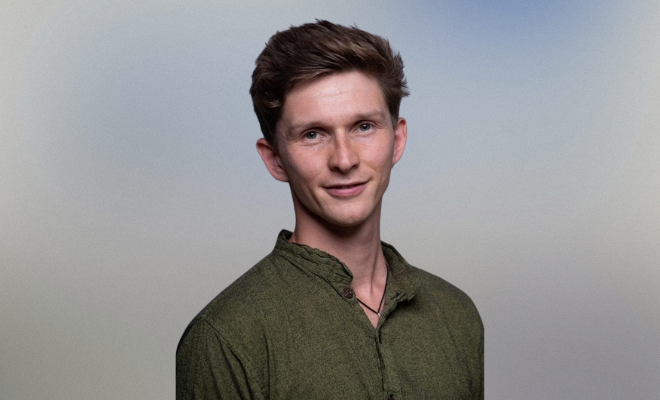
William Townsend is a therapist and artist based in Cambridge, UK. As a therapist he runs a private practice at 8AKP in Cambridge and works with local mental health charity, Cogwheel Counselling. He also mentors’ students with Cambridge University. He has a passion for men’s work, identity, and wellbeing.
 Originally Released On 17 February 2025