


How To Help Young People Prepare For Their First Interview
Boost confidence and preparation in young people to help them succeed in an increasingly tough job market.
The jobs market for young people is as tough as ever with reducing opportunities to learn on the job and increasing expectations during recruitment. Assessments that run over several days for relatively junior roles and dwindling apprenticeship opportunities are common.
Just a few days ago I heard of a young woman who’d completed a university application (including a personal statement) then declined her opportunity to be interviewed. She couldn’t muster the courage to get through the interaction and discuss her CV, let alone her aspirations and ambitions at a meeting.
Schools and colleges do a fairly good job encouraging students to create a CV and participate in careers events, often providing opportunities for interview practice. My observation here is that participating in a ‘mock interview’ might mean a tick in the curriculum box, but that doesn’t allay the feeling of confusion about interview reality.
Interviews can be daunting for young people whose preferred method of communication is often texting or messaging using Snapchat (or similar platforms). My favourite definition of an interview is that it’s a conversation with purpose, for example, to secure a further education place or a job. We need to encourage young people to engage in face-to-face conversations in preparation for interview. That’s any face-to-face conversation about any topic that builds confidence. Let’s inspire conversations that focus on building individual self-confidence and resilience.
The next step is to encourage young people to understand themselves a little better, that’s their values, their strengths, and what they’ve achieved in their busy lives so far. There’s no magic number although I frequently recommend focusing on three of each.
It’s simple, think of what you do really well, or value most and assemble examples to bring that to life
Nothing is ‘off limits’ and everything matters. Getting together with mates to write a song, scoring goals in an informal kick-about or leading the football team to victory all add to your story. Academic achievements are valued although employers like to know that new employees can hold their own in a debate or a dispute and ask for help before they need it. It’s vital that we encourage young people to focus on the contributions they make. Again, it’s about building individual self-confidence and resilience.
Recognising individual values, strengths, and achievements, as well as being able to talk positively about all three, helps build confidence; and a good opportunity to encourage young people to update their CV.
I’ve mentioned building resilience several times in this article. It’s imperative that we encourage young people to keep going, even when their interview isn’t successful. Encourage them to seek feedback but remember (1) it isn’t always available (2) negative feedback can be disheartening. That said, it can be invaluable to future development.
Interview preparation is critical
Candidates should get the information they need in advance of their interview, although if anything isn’t clear or they have outstanding questions, they should follow up with their contact person.
The essential ingredients
- Research the potential employer
- Clarify its business vision and financial status
- Know your strengths, values, and achievements
- Be ready to tell your story
- Practise your answers to potential questions
- Be clear on what you need – your questions
It’s a two-way process
A successful interview should be a two-way conversation, giving and receiving information. Ideally, the employer gives you information about the organisation and the role, then asks questions to better understand your motivations for wanting to join them.
Questions
Some employers provide questions in advance to help interviewees. Most interviews comprise questions designed to find out about:
- Your motivations for work and the role – referred to as motivational questions
- How you make decisions – referred to as situational judgement questions
- How you relate to others – leadership, teamworking, customer service and so on
- Your greatest achievements – in education, in life generally or during part-time working
Different types of interview
- Unstructured – “tell me about yourself”
- Competency-based – answer questions with real examples of what you’ve done
- Technical – focus on your vocational knowledge e.g., how do you change a plug or make an omelette?
- Structured – tell me about your work / motivations / decision-making skills
Example interview questions
- The best questions provide you with opportunities to do the talking
- Open questions, e.g. tell us about / what is your greatest achievement?
- Closed questions, e.g. do you prefer sparkling or still water?
- Answer with as many real examples as you can remember
- Questions aren’t (typically) designed to catch you out
Example motivation questions
- What motivates you at work / at home?
- What do you enjoy most at work?
- How do you know you’re doing a good job?
- What excites you about this role and what made you apply?
Example relationship-building questions
- How do you like to work with others?
- How have you built relationships with team colleagues?
- What is your preferred leadership role – the coach, the motivator, the trailblazer?
- How have you got friends or family members on board with your ideas?
- What is your preferred way of influencing others?
How to nail that ‘first ever’ interview – your checklist
I’m encouraging you to prepare well in advance of your interview. Here are some things that you can do right now, before you even know what job you’ll be discussing at your interview:
- Get some in person, face to face conversation opportunities in the diary
- Be clear about your strengths (what you’re good at) and your values (what’s important to you about how people or organisations behave)
- Keep your achievements front of mind (what you’ve done that you’re proud of)
- What difference (positive impact) have you made to people or situations?
- Keep your CV and any online profiles like LinkedIn up to date with new achievements or results
Once the interview invitation lands
The basics
- Consider the interview invitation and what you know is required of you
- Check if there’s any information about the type of interview, focus on what’s required of you
- Take note of any briefings you’ve had from the recruiter or agency
- Remind yourself of your motivations for the role / organisation
- If you are required to sit tests or prepare a presentation or case study, etc., ahead of your interview, remember to allow enough time to do your research
- Remember that an interview is a conversation with a purpose between you (the candidate) and the organisation (potential employer)
What you’ll need
- An up-to-date job description or candidate information pack
- For some jobs there may not be a written explanation
- Use online opportunities for research, including LinkedIn
- Information about the critical skills and knowledge that will be assessed
- For some jobs this might not be available in advance
- Your most recent CV – make notes on what’s relevant to the job interview
- Details of your strengths / achievements – what you do well / what you’ve done
- Some example achievements to practise the STAR technique
- Your personal story ready to tell in an engaging way at interview
- Your questions to ask – what you need to know about the job/organisation
Remember, it’s a good idea to…
- Organise what you want to say (your examples and your questions)
- Demonstrate that you know what the job is about
- Get used to speaking in ‘every day’ straightforward language
- Avoid making jokes or ‘misplaced’ humour
- Make the most of recent experience and events – they’re easier to remember
- Keep focused – balance content (the details) and context (scene setting)
- Use real examples as they happened (rather than ‘made-up’ examples
- Practise answering different styles* of interview questions
- Avoid one-word answers and add a bit more detail about what you did
Structuring your answers
- STAR – a useful acronym
- Situation – What were the circumstances?
- Task – What did you need to do? Was it your idea?
- Action – What did you do? How did you go about it?
- Result – What was the outcome (what was different) and what did you learn?
*For example, ‘tell me about your ambitions’ or ‘what did you do next?’
The original version of this checklist can be found in my book Interviews Sorted You’ve Got This published January 2026.
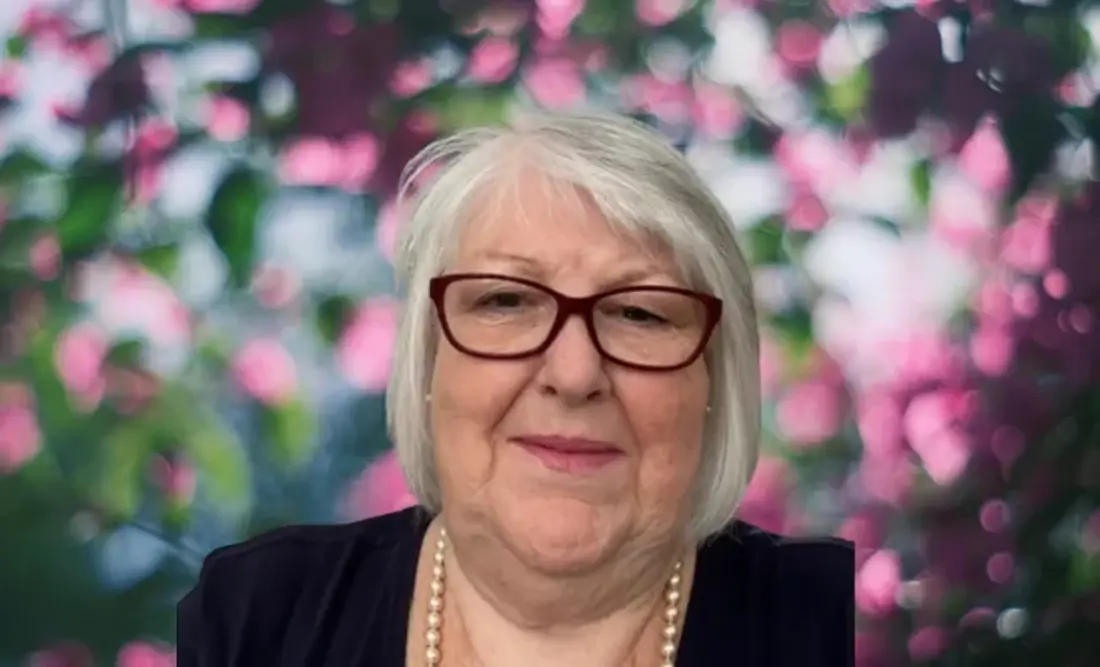
Heather Watt. A business founder, coach, and author who believes life and work are better with a dash of curiosity and a good conversation. I established my HR consultancy more than 20 years ago, following a successful corporate career.
Making a difference to people’s lives makes me happy. It’s the things I do and the people I meet who inspire me. My zest for life, search for HR excellence and emerging technologies impact what I do and how I work – whatever the challenge.
Now I can add that I'm a published author of ‘How to Be The Best Candidate Every Single Time’ and ‘Interviews Sorted You’ve Got This’ available from Amazon or all good bookshops (to order).
I enjoy bringing people together. I love what I do. It’s all about collaboration and conversation – I do both well. I’m proud to be a recruitment trailblazer and I’m looking forward to collaborating with you.
 Originally Released On 23 March 2026