


Building Courage in Leaders
Learn how to motivate others by leading with insight and intention.
Early in my career, over three decades ago, I discerned that leadership is an intricate, multi-dimensional activity. We often focus on the leadership of organizations - the strategy, operating models, and execution that drive complex enterprises. But as a career strategist, I grew to appreciate that the leadership of people and culture deserves just as much attention.
My discovery did not end there. Managing diverse, multifaceted teams under high-performance expectations and real systems stress tests a leader like little else. How you approach a conversation, what you signal emotionally, and how you respond to the unexpected are never neutral signals. Over time, these tests force a leader down the messy path of self-discovery, defining who they are at their core. Effective leadership requires navigating three levels at once: organizations, people, and self.
Leadership Means Making Choices at Every Level
Strategy is the science and art of making choices. Just as organizations have finite resources and must choose how to deploy them, leaders must make choices in how they manage talent and develop cultures that reflect organizational values.
In our current era of global macro-economic, environmental, and social disruption, it is nearly impossible to keep business decisions clinically separate from their broader stakeholder implications. Volatility and the pace of technological change challenge a leader’s certainty. This reality forces leaders back to fundamental choices—both business-oriented and personal.
The Spectrum Between Courage and Fear
In my research for a recently published book, I explored the choice spectrum that sits between courage and fear. Courage is the capacity to drive enormous positive change. It allows us to challenge the status quo, explore new territories of action, and resist the "tribes of conformity."
However, courage does not come without a cost. It evokes fear, poses risk, and opens us to judgment. Effective leaders must strive not to be controlled by criticism, even though they remain vulnerable to it. Leadership is often lonely, and great leadership requires immense courage.
So, how do we build it? The answer is simple but demanding - self-awareness and intention. Courage is not an instant act of valor; it is the result of deliberation that considers purpose on one hand, and risks on the other, and acts anyway. It is a lifelong project of harnessing "accelerators," like clarity of purpose, and reducing "decelerators," like the fear of failure.
Inner Focus: The Leader’s Internal Work
When I coach leaders on transformation, courage inevitably becomes the central theme. I advocate for an approach that balances an inner focus on the self with an external focus on the system.
1. Define Values and Decision Rules
As early as possible, define your worldview. What motivates you? How do you balance integrity versus personal success? Clarity of values reduces hesitation when fear spikes. Values accelerate courage because they give the leader something worth fighting for.
2. Accept Agency of Leadership
Most leaders start as successful managers. However, management is the science of organizing tasks, while leadership is the art of owning difficult choices. Managers may choose to "lie low" during complexity; leaders must engage it head-on. Seeing yourself as the owner of the complexity impacting your team is a vital frame for courageous action.
3. Practice “Courage Reps”
Courage is not a passive exercise. I recommend "gradual active exposure" - picking one slightly uncomfortable act per week. This might mean giving tough feedback, disagreeing in an executive meeting, or admitting uncertainty. By escalating the difficulty of these challenges, you get comfortable with discomfort.
4. Utilize “If–Then” Plans
Fear is a primary decelerator. To manage it, practice engaging the fear rather than fleeing it. Tell yourself: “If I feel myself backing down, then I will name the risk out loud and engage it.” Interrogate the fear by asking what evidence justifies it. Once a fear is scrutinized, its power often shrinks.
5. Listen to Diverse Perspectives
In a data-overloaded world, no leader has total mastery. Build a diverse team to help avoid blind spots and paralysis. However, do not outsource your responsibility to decide. The voices of your team should advise, but they do not choose. Courageous leaders own the final decision, for better or worse.
6. Resolve to Grow from Failure
Mistakes are inevitable in volatile environments. By using scenario thinking, leaders can prepare teams for risks and alternative actions. When perfection is removed as the goal and experimentation is allowed, risk-taking becomes easier. Aversion to failure is a major drag on courage.
7. Train Emotion Regulation
Leadership is stressful, and leaders are human. Practice practical self-care: time in nature, regular breaks, and physiological downshifts, such as slower exhale breathing. You cannot be a courageous leader if you are not healthy. Resilience is the fuel that allows you to go the distance on a messy journey.
External Focus: Leading the System
Courageous leadership starts with the self but matures in how we lead organizations. When a leader builds a culture of organizational courage, it becomes synergistic. The team embraces courage together, collectively managing fear more effectively.
For this to happen, leaders must lead intentionally, understanding that their role is to inspire and nurture others in their own journey toward courage. The leader’s role in supporting the team’s growth matters as much as their own self-management.
Conclusion
In the end, courage is not a trait some lucky leaders possess; it is a practice built one decision at a time. It begins internally, with clarity of values and a willingness to own complexity. But it matures externally, when leaders create conditions in which others can speak honestly, dissent constructively, and learn quickly.
In a world where uncertainty is constant, courageous leaders are those who repeatedly align purpose with action - imperfectly, visibly, and consistently - until courage becomes more than a moment. It becomes a culture that benefits the leader, the people, and the organizations they serve.
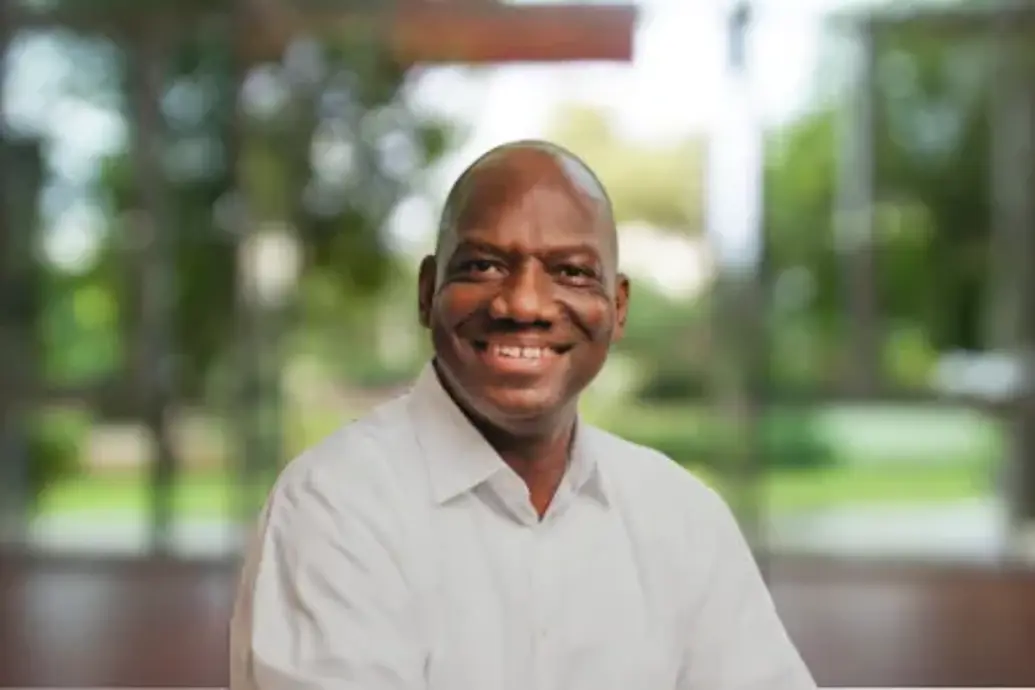
Christopher O.H. Williams is a former Fortune 500 executive who serves as a business consultant, executive mentor, board director, and public speaker on strategy and transformation. His career has spanned four continents, with senior corporate and management roles at Nike, Adidas, Goldman Sachs, Gap, VF Corporation, and Lehman Brothers. As President of Custament Partners, he specialises in helping teams and businesses drive and weather transformational change. His newly published book, C.O.U.R.A.G.E., offers practical tools and real-life lessons for taking action and leading authentically.
 Originally Released On 12 January 2026